

Whenever winters get rough — and this is a rough one in Minnesota — I figure lefse lovers have an advantage in surviving freezing temps and record snowfalls: We have lefse. As my friend and editor Kathleen Weflen says, lefse warms us twice. Once when we make it and again when we eat it.
As much as I’ve made lefse and written about it, there is one area of lefse making that I need help with: freezing it. Frankly, there hasn’t been much need in our house. The lefse’s gone pretty quickly after we make it. Still, I want to freeze it so that I can offer it to guests who pop in or to be able to take it to a dinner or party without making a fuss and a mess.
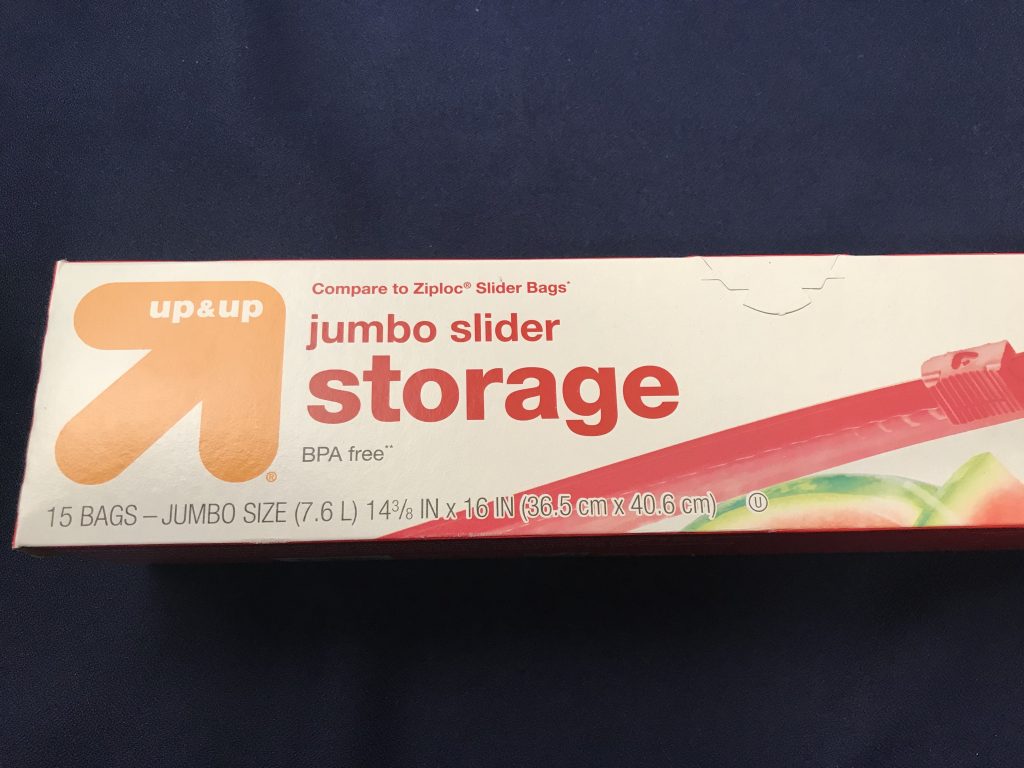
So I am experimenting with freezing lefse. The issue I have with freezing lefse is it’s not quite as tender when it thaws and the rounds can crack. I have found freezer bags from Target that are large enough so folding is not necessary. This eliminates cracking along the fold lines. I also make sure the lefse has plenty of time to cool and dry — but not dry out — before putting parchment paper between the rounds in the freezer bag so the lefse doesn’t stick together.
In my book Keep On Rolling! Life on the Lefse Trail and Learning to Get a Round, Jean Olson of Deerwood, Minnesota, has this tip on freezing lefse: “Before freezing, wrap six cooled-and-folded rounds in Saran Wrap. Wait 24 hours, and then put the lefse in a Ziploc bag for freezing.”
Is this what you do to freeze lefse? How satisfied are you with your lefse-freezing method?
PLEASE send your tips on freezing lefse! Just email me at glegwold@lutefisk.com. Thanks!
Oh, spring comes in less than three weeks!